
Rocket 1 y 2Rocket 1 & 2
Nivel · IntermedioLevel · Intermediate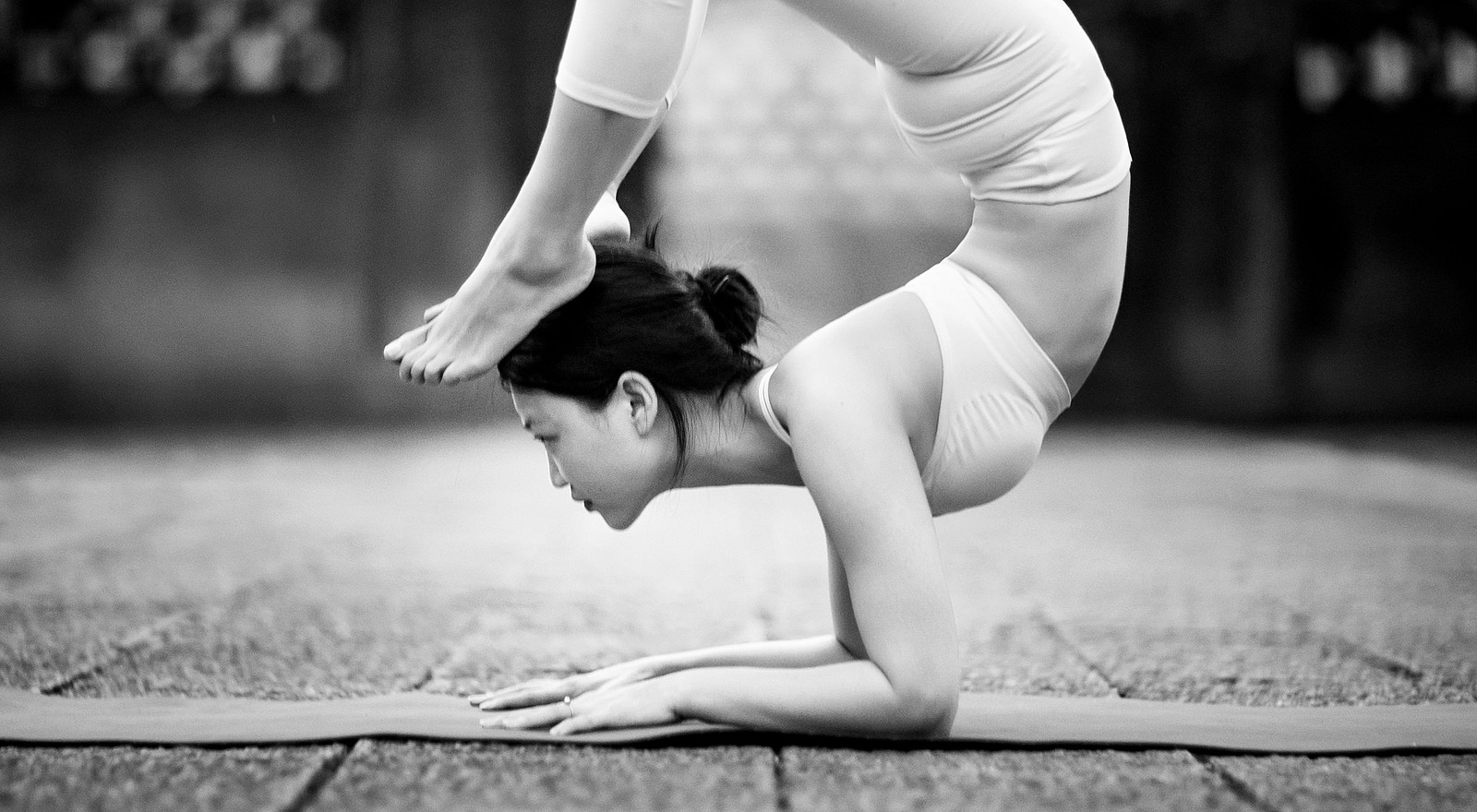
El Rocket es la versión más libre del Ashtanga. Conserva la fuerza y la estructura, suelta la rigidez: acepta modificaciones y reacomoda el orden de las posturas. Es rápido, es fuerte y se disfruta. Si te gusta la intensidad del Ashtanga pero las reglas te pesan, es esta.Rocket is the freest version of Ashtanga. It keeps the strength and the structure and drops the rigidity: it takes modifications and rearranges the order of the postures. It is fast, it is strong and it is fun. If you like Ashtanga’s intensity but the rules weigh on you, this is the one.
De dónde vieneWhere it comes from
Lo creó Larry Schultz en San Francisco en los años ochenta, mientras daba clases a los Grateful Dead en sus giras. Era alumno de Pattabhi Jois y quería una versión más accesible del Ashtanga. Cuentan que un músico de la banda lo bautizó Rocket porque te lleva más rápido a donde quieres llegar. Se quedó el nombre y se quedó la idea.Larry Schultz created it in San Francisco in the eighties, while teaching the Grateful Dead on tour. He was a student of Pattabhi Jois and wanted a more accessible version of Ashtanga. The story goes that a musician in the band named it Rocket because it gets you where you want to go faster. The name stuck and so did the idea.
Rocket 1 y Rocket 2Rocket 1 and Rocket 2
Son dos rutinas distintas. La 1 se basa en la primera serie del Ashtanga: flexiones hacia adelante, base y fuerza de centro. Es por donde se empieza. La 2 se basa en la segunda serie y sube la intensidad con arcos, aperturas y trabajo de inversión. Muchas escuelas las alternan día con día; juntas arman una práctica completa. Eso también cambia lo que despierta cada una: las flexiones hacia adelante de la 1 llevan al cuerpo hacia su modo de calma y digestión, el sistema nervioso parasimpático, mientras que los arcos y las inversiones de la 2 encienden el modo de alerta y acción, el sistema simpático.They are two different routines. The 1 is based on the first Ashtanga series: forward folds, foundation and core strength. That is where you start. The 2 is based on the second series and raises the intensity with backbends, openings and inversion work. Many schools alternate them day by day; together they make a complete practice. That also changes what each one wakes up: the forward folds of the 1 take the body toward its rest and digest mode, the parasympathetic nervous system, while the backbends and inversions of the 2 switch on the alert and action mode, the sympathetic one.
La respiración y los apoyosThe breath and the anchors
Como buen heredero del Ashtanga, el Rocket se sostiene en los mismos pilares. Respiras con ujjayi, el sonido suave y continuo en la garganta que marca el ritmo y genera calor. Activas los bandhas, los músculos profundos del centro que te dan la ligereza para flotar en las transiciones. Y usas el drishti, un punto fijo para la mirada que te salva el equilibrio cuando estás de cabeza. No hace falta dominarlos de entrada.As a true heir of Ashtanga, Rocket stands on the same pillars. You breathe with ujjayi, the soft continuous sound in the throat that sets the rhythm and builds heat. You engage the bandhas, the deep core muscles that give you the lightness to float through transitions. And you use drishti, a fixed gaze point that saves your balance when you are upside down. No need to master them up front.
Cómo se sienteHow it feels
Enérgico y juguetón. El ritmo es rápido, sudas y trabajas fuerte, pero hay lugar para probar: intentar una inversión, caerte, volver a intentar. Nadie espera que salga perfecto. Sales con la energía por las nubes y de buen humor.Energetic and playful. The pace is fast, you sweat and you work hard, but there is room to try: attempt an inversion, fall, try again. Nobody expects it to come out perfect. You leave with your energy through the roof and in a good mood.
Qué trabajasWhat you work on
- Fuerza de centro, brazos y piernasStrength in core, arms and legs
- Inversiones y equilibrios sobre las manosInversions and hand balances
- Movilidad de hombros y columnaShoulder and spine mobility
- Coordinación en las transicionesCoordination in the transitions
- Aguante a ritmo altoStamina at a high pace
BeneficiosBenefits
- Llegas antes a posturas que parecían lejísimosYou reach postures that seemed miles away sooner
- Fuerza de brazos y centro que se nota rápidoArm and core strength you notice quickly
- Se te quita el miedo a estar de cabezaYou lose the fear of being upside down
- Es la clase donde la gente se ríeIt is the class where people laugh
- Rompe la rutina de las secuencias fijasIt breaks the routine of fixed sequences
La filosofíaThe philosophy
Schultz cambió la serie para que la práctica se adaptara a la persona y no al revés. Esa sigue siendo la idea: las posturas avanzadas se modifican y se prueban desde el principio, en lugar de esperar años a merecerlas.Schultz changed the series so the practice would adapt to the person instead of the other way around. That is still the idea: advanced postures get modified and attempted from the start, instead of waiting years to deserve them.
¿Para quién es?Who is it for?
Para quien ya tiene algo de práctica y quiere subirle. Ayuda conocer el saludo al sol y no asustarte con el ritmo. Todo tiene su versión más amable, así que se puede entrar sin traer inversiones en el cuerpo. Si vienes de puro Ashtanga tradicional, esto se siente como salir a jugar.For anyone with some practice who wants to step it up. It helps to know the sun salutation and not to be spooked by the pace. Everything has a gentler version, so you can come in without inversions in your body. If you come from strict traditional Ashtanga, this feels like going out to play.